Manpower supply for industries involves the process of providing skilled, semi-skilled or unskilled workers to businesses and industries to meet their workforce needs. This is done through recruitment and deployment of personnel who are best suited for the particular job roles and requirements of the industry.
The manpower supply industry is a critical component in the overall industrial ecosystem, as it ensures that businesses have access to the required workforce, enabling them to operate efficiently and meet production targets. Manpower supply agencies typically offer a range of services, including recruitment, training, onboarding, and performance management.
The benefits of manpower supply for industries are numerous. For one, it allows industries to quickly scale their workforce up or down as needed, without having to worry about the logistics and costs associated with recruitment and training. Additionally, by partnering with manpower supply agencies, industries can access a diverse pool of workers with varying skills and experiences, enabling them to fill skill gaps and diversify their workforce.
Manpower supply agencies typically have an extensive database of pre-screened candidates, which allows them to quickly identify suitable candidates for a particular job role. They also often provide additional support, such as training and development opportunities, to ensure that their workers are equipped with the necessary skills to succeed in the job.
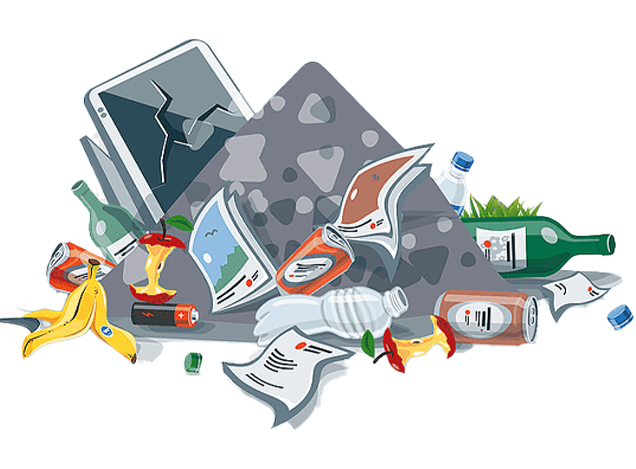
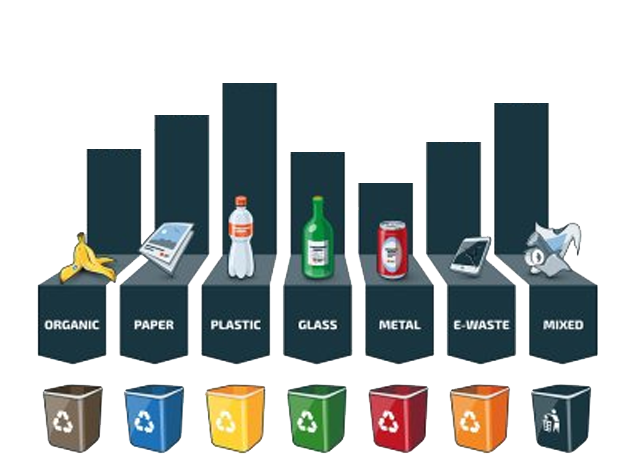
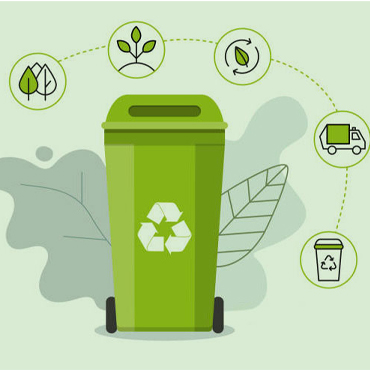
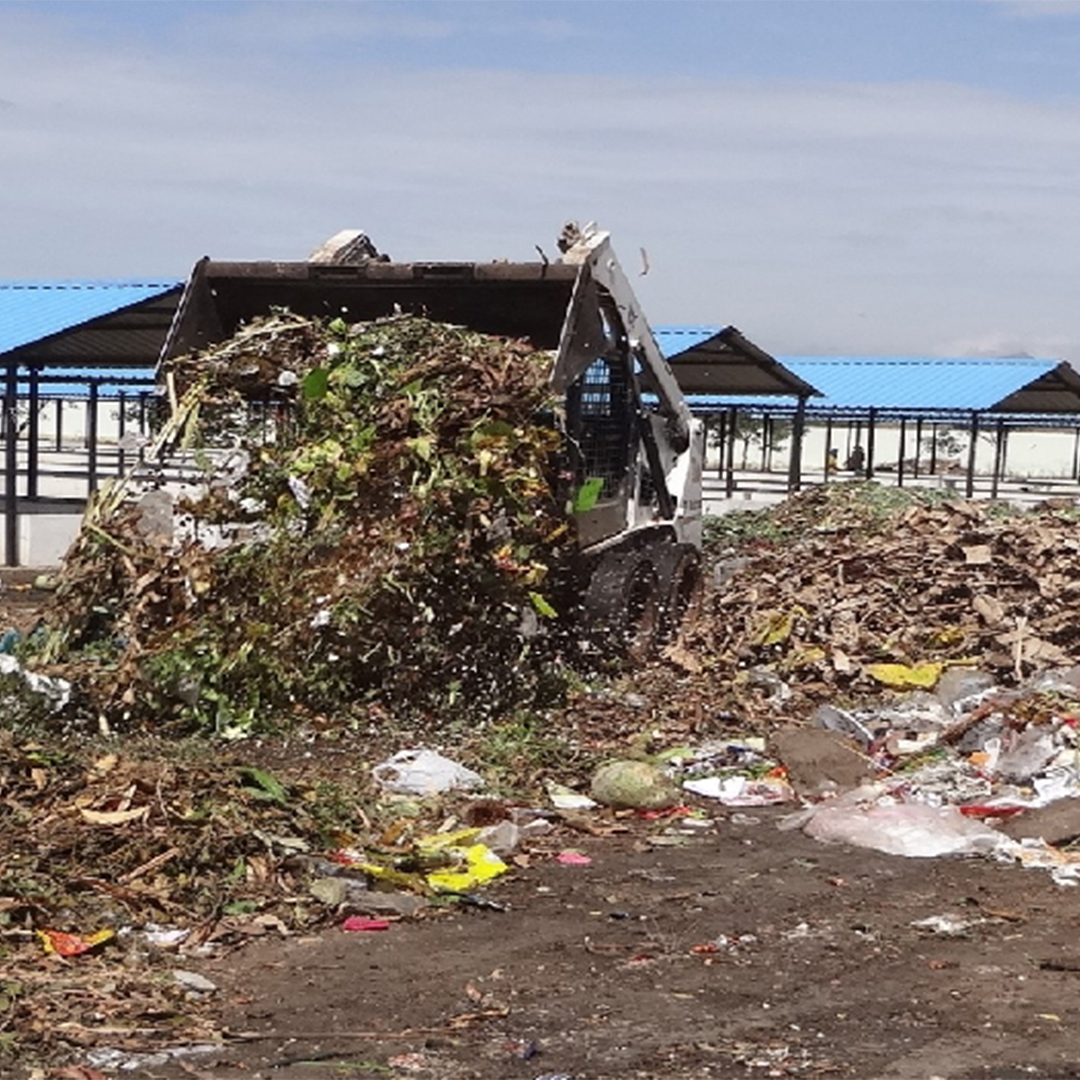
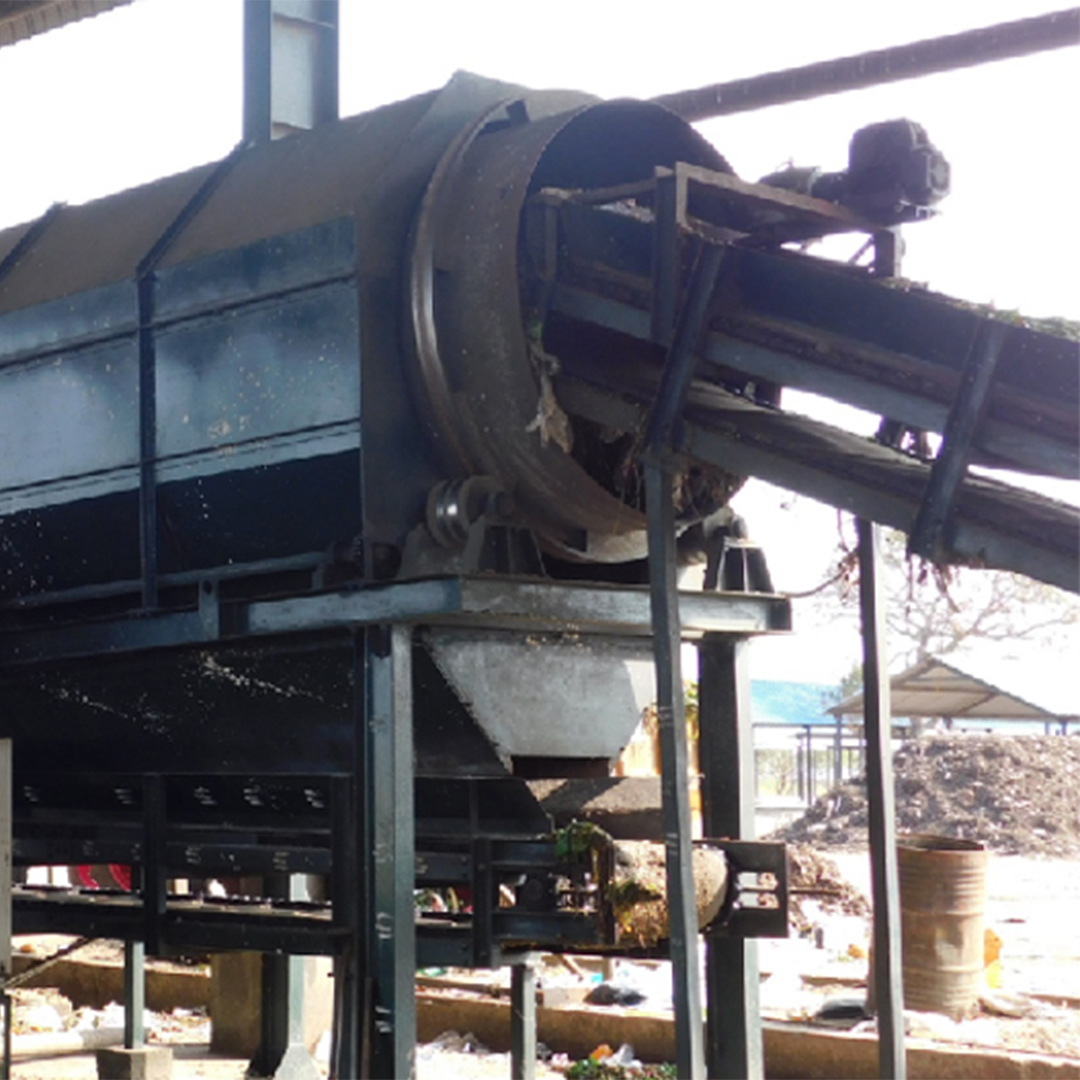
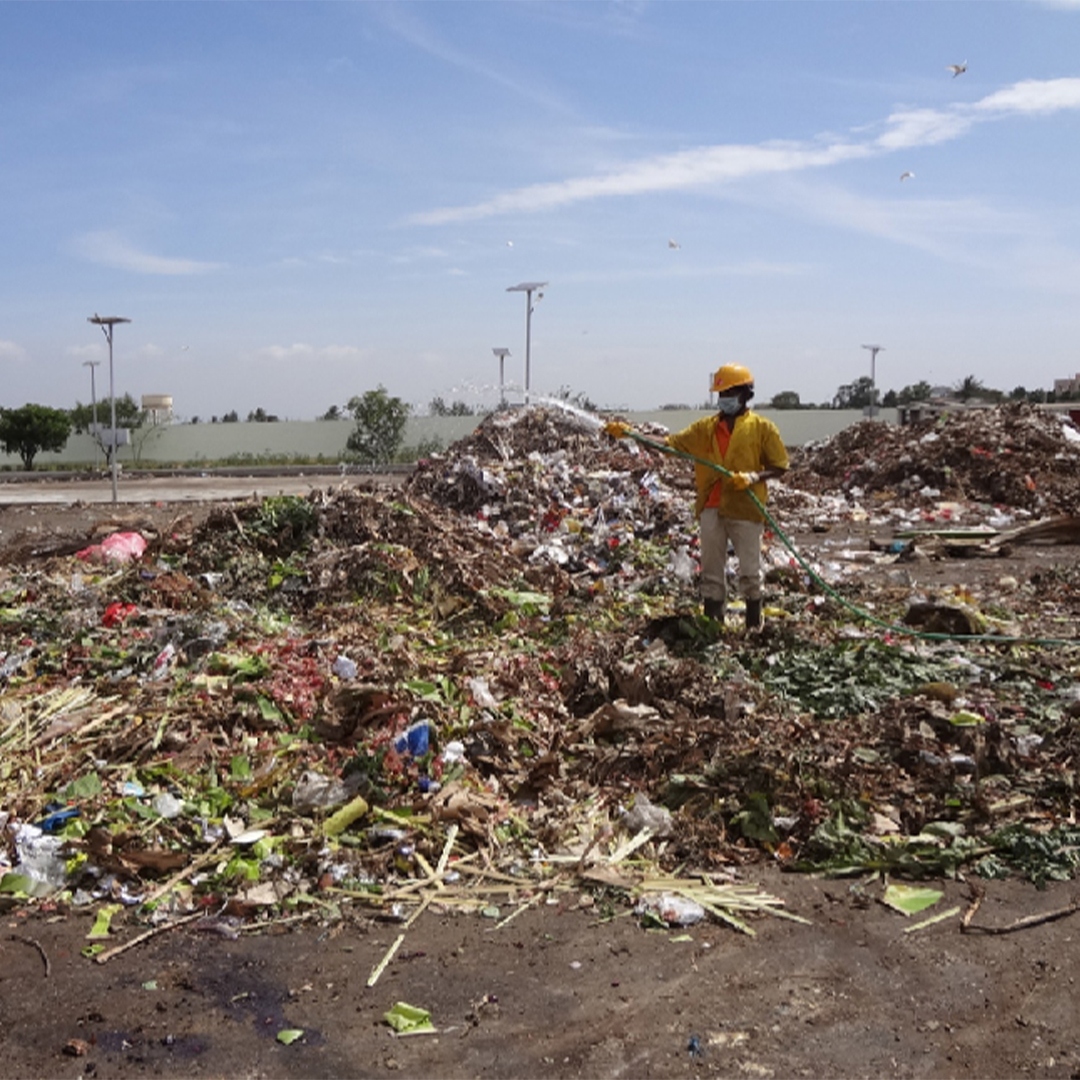
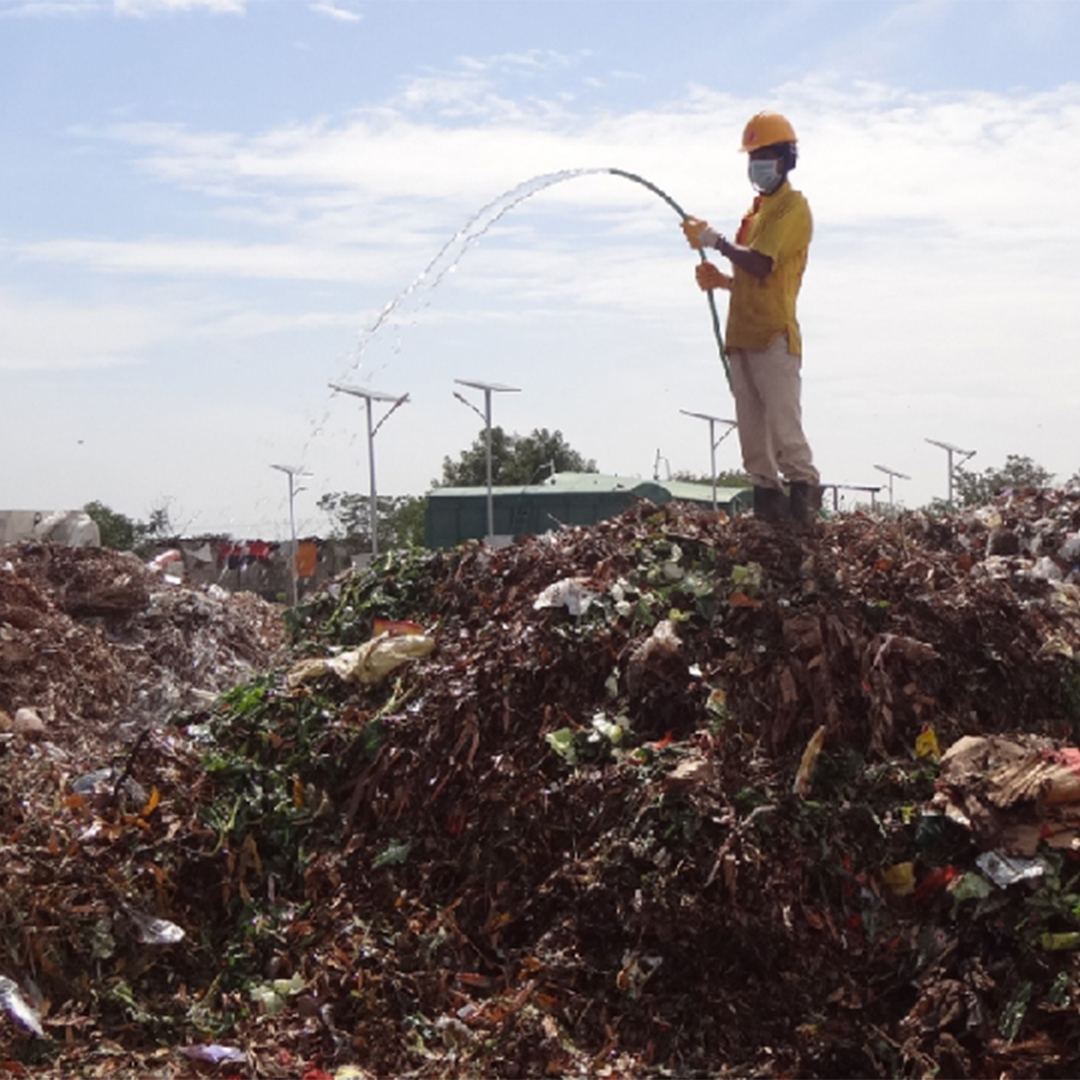
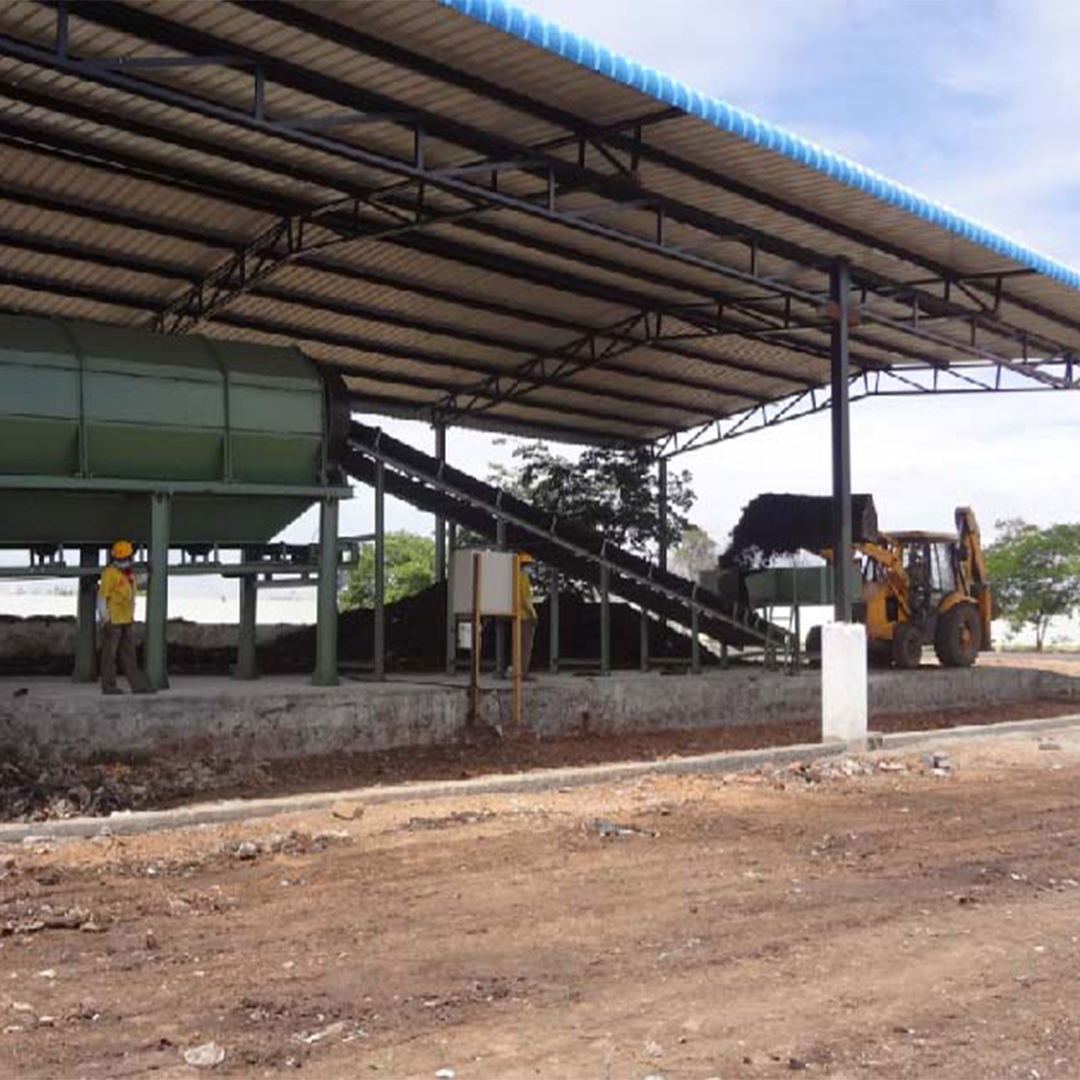
Solid waste management is the process of collecting, transporting, processing, and disposing of solid waste generated by human activities. Solid waste, also known as refuse, trash, or garbage, can include a variety of materials such as paper, plastics, metals, glass, and organic matter.
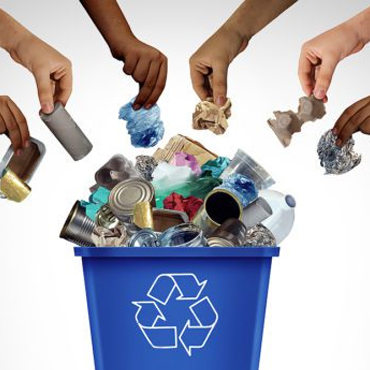
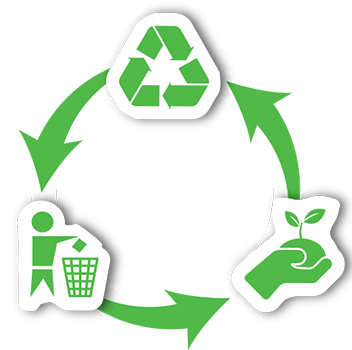
The goal of solid waste management is to minimize the impact of waste on human health and the environment. This includes reducing the amount of waste generated, reusing and recycling materials whenever possible, and safely disposing of any remaining waste.
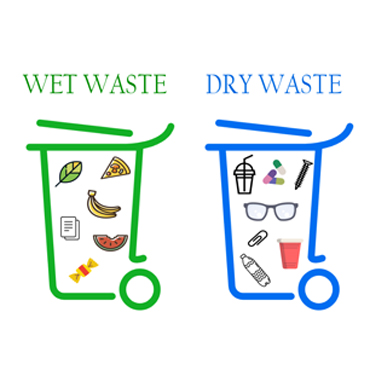
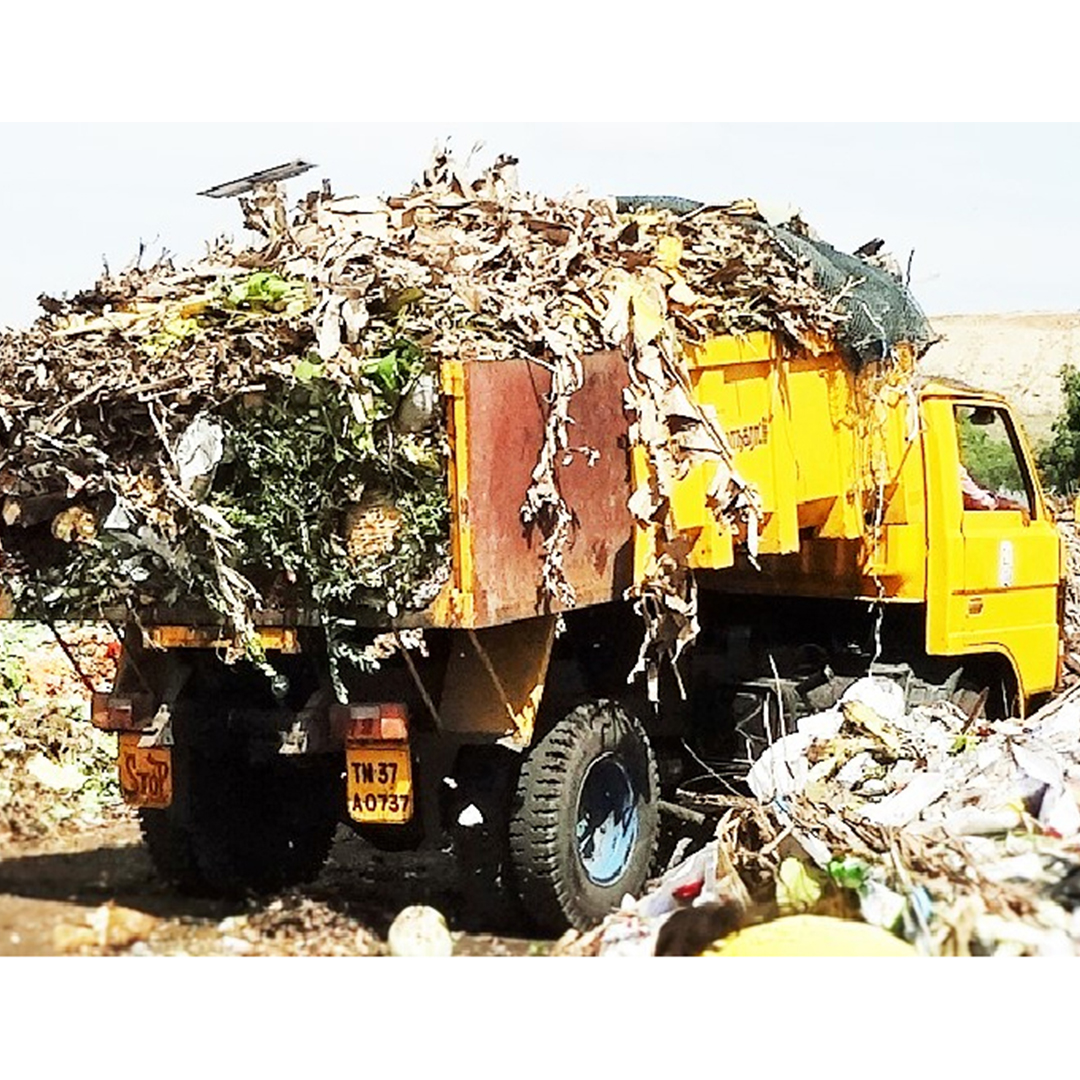
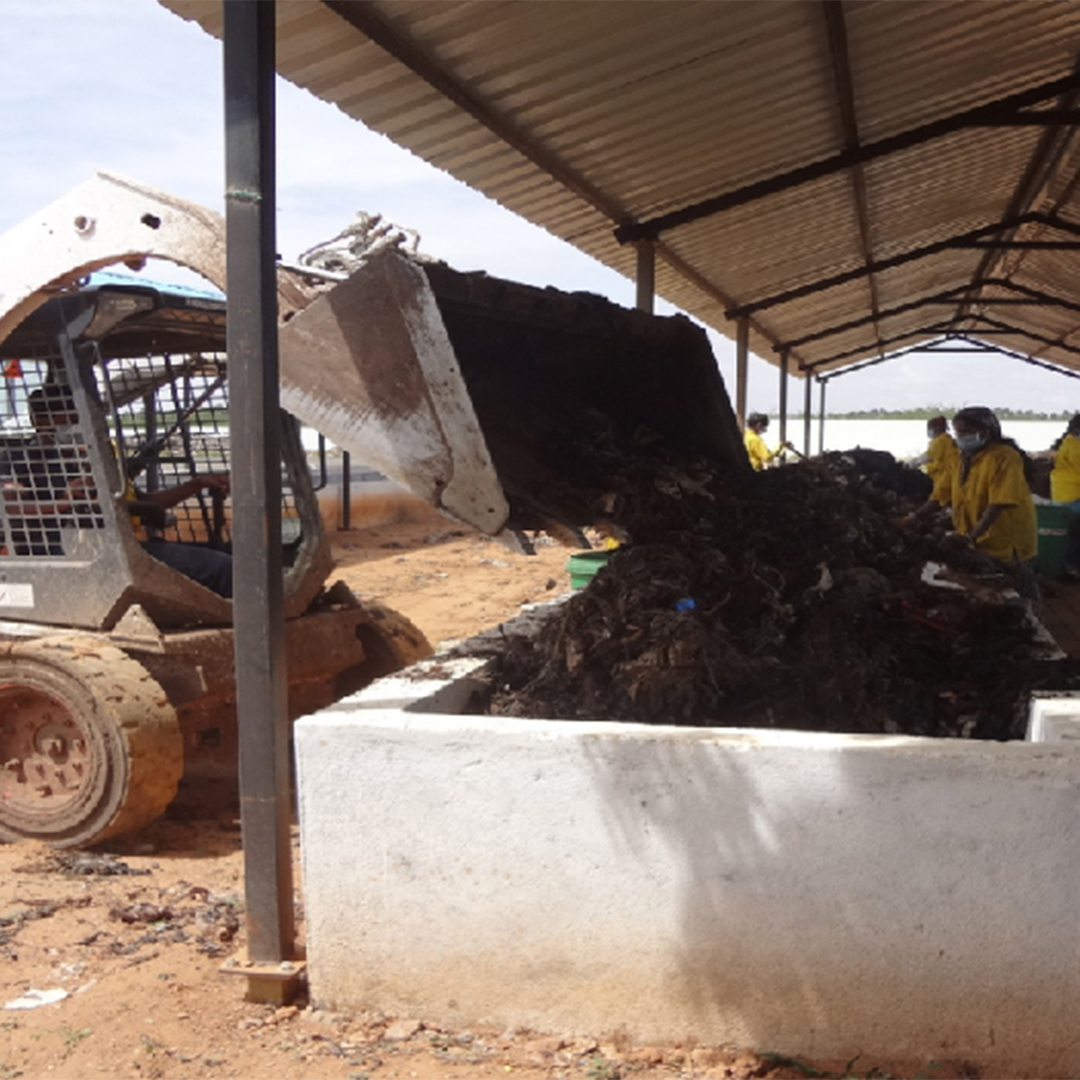
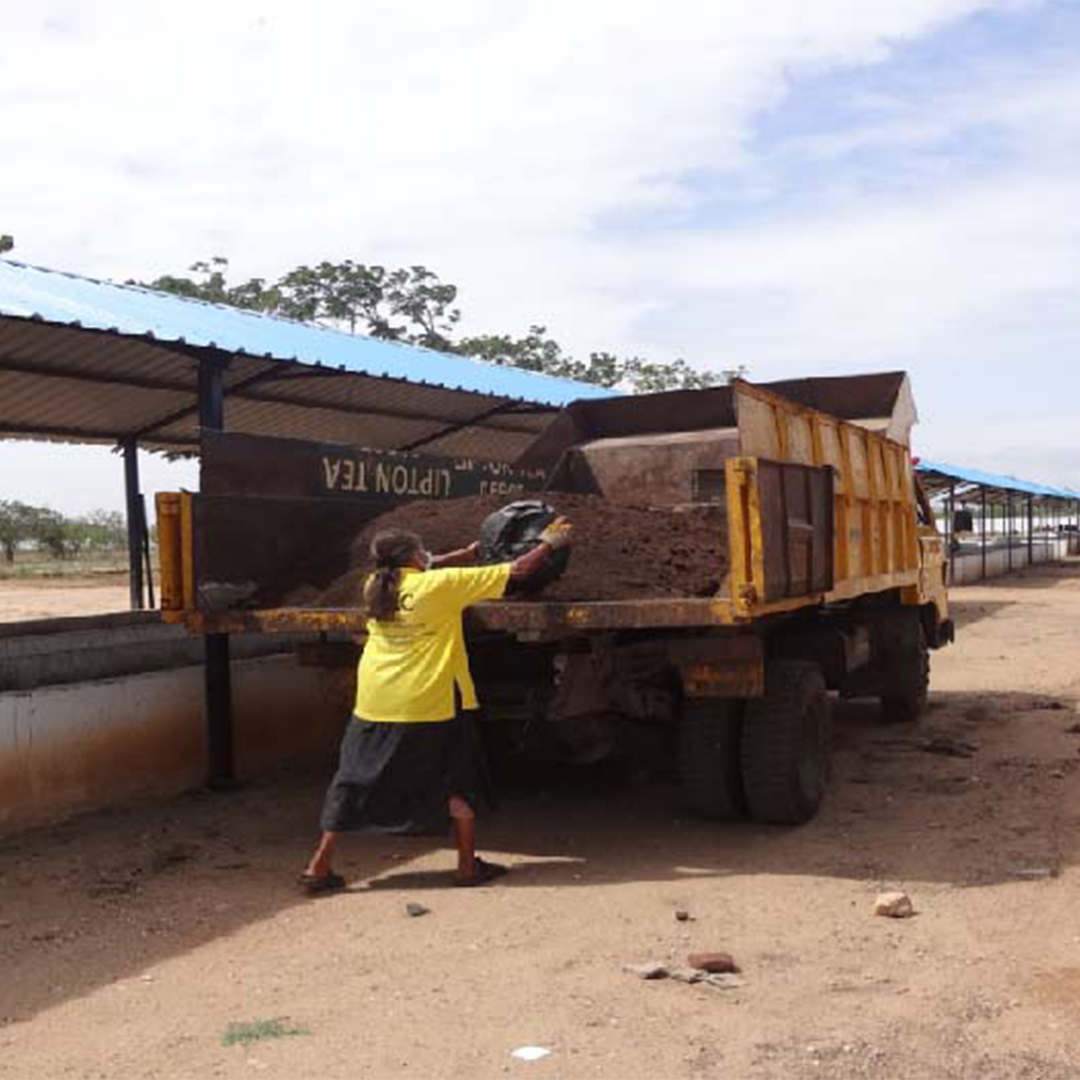
The first step in solid waste management is collection. This involves collecting waste from homes, businesses, and other sources and transporting it to a processing facility. Depending on the type of waste, it may be sorted and separated at this stage to make the processing and disposal process more efficient.
Effective solid waste management is crucial for protecting the environment and human health. It requires careful planning, efficient collection and processing methods, and responsible disposal practices.
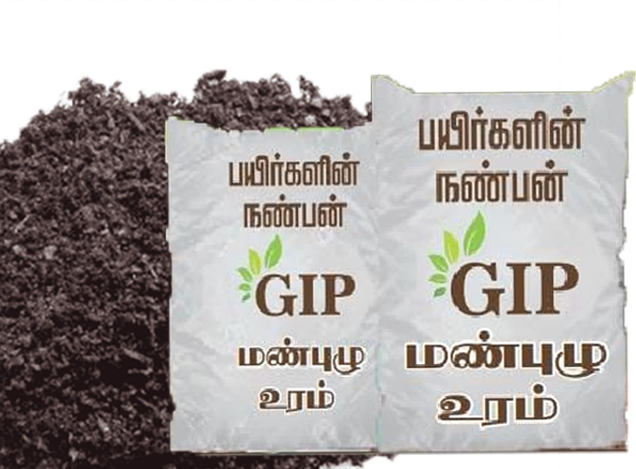
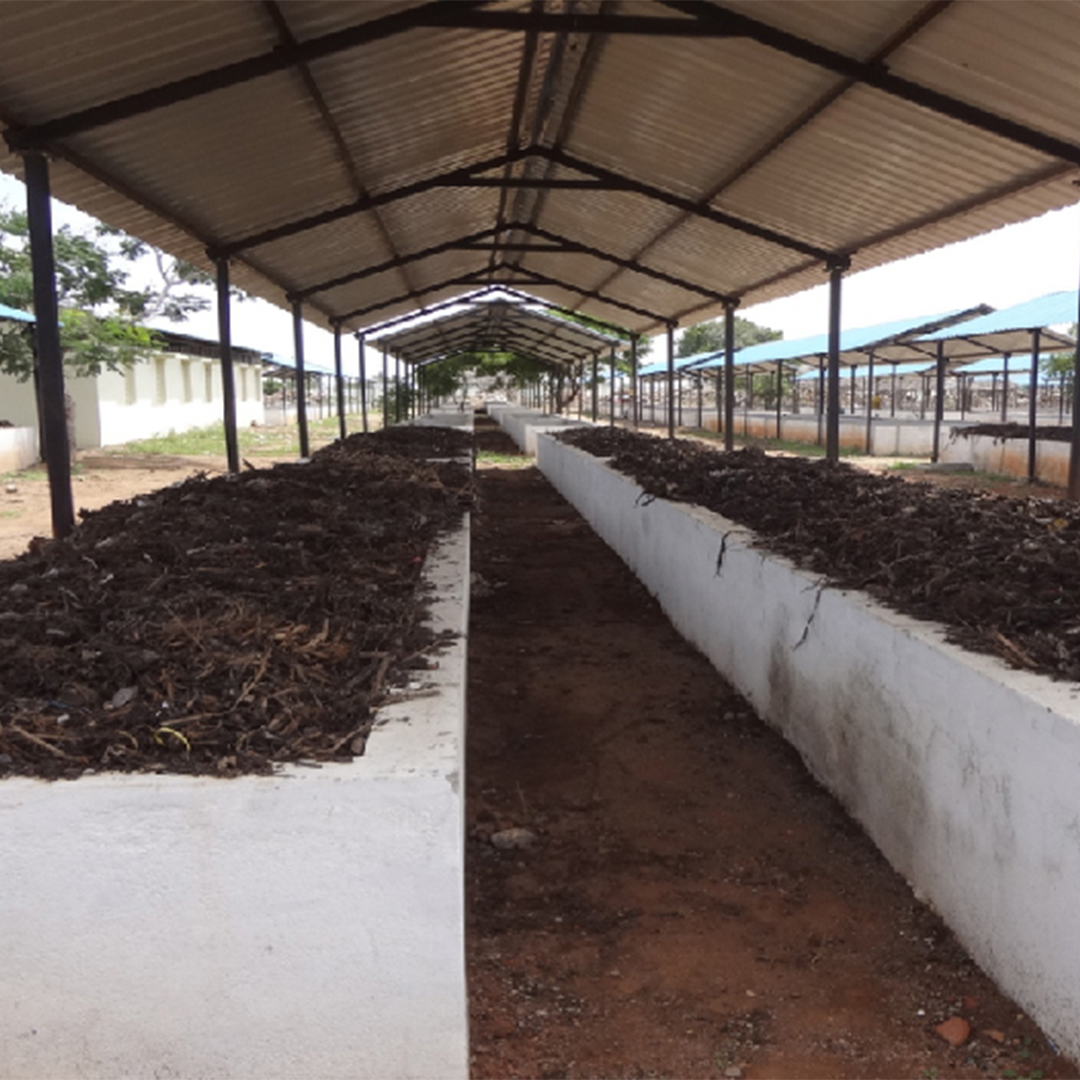
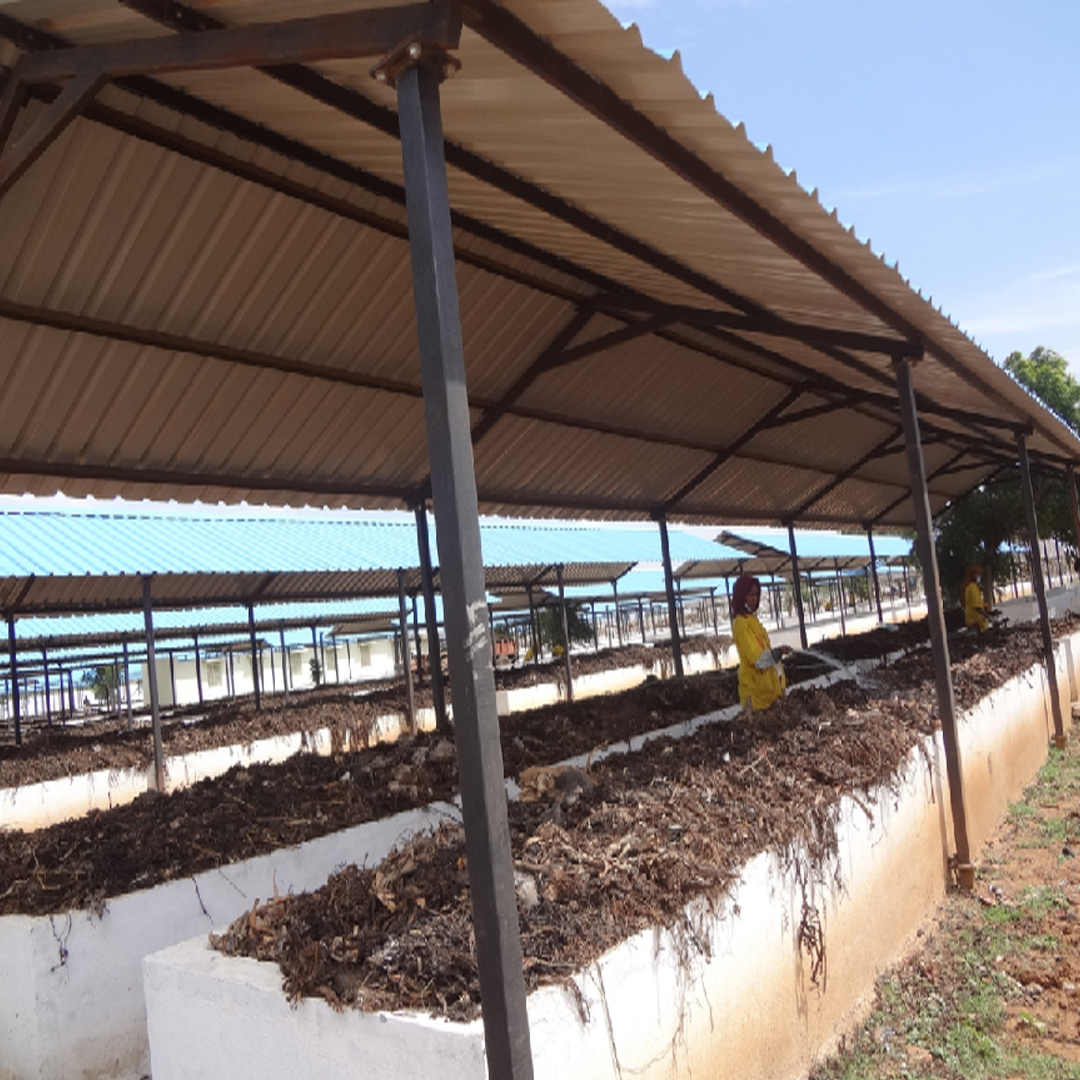
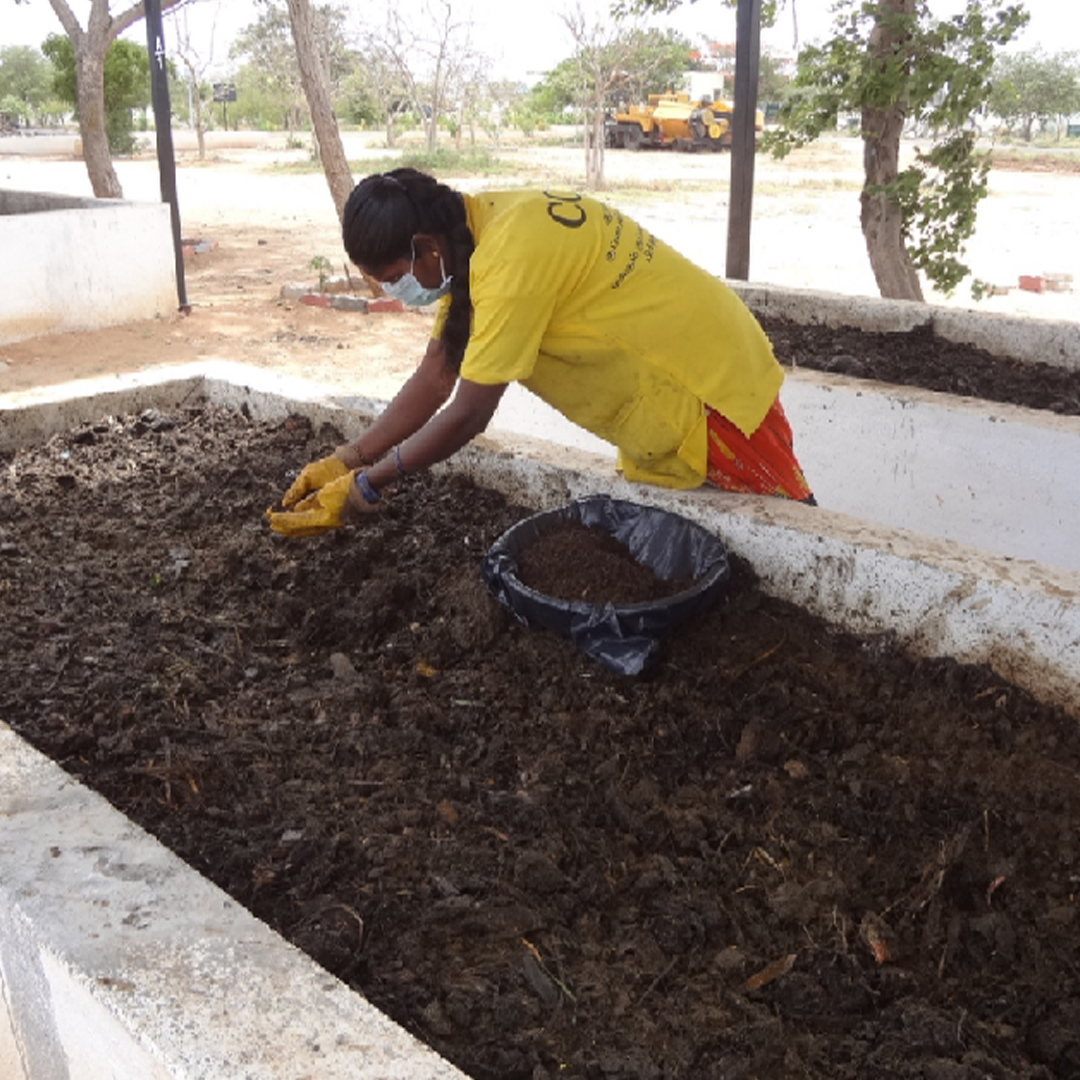
Earthworm fertilizer, also known as worm castings, is a natural and organic soil amendment that is produced from the waste materials of earthworms. The process involves feeding organic matter to earthworms, which in turn digest the material and excrete nutrient-rich waste called worm castings.
Earthworm fertilizer is a highly nutritious and beneficial soil amendment for plants, as it contains a balanced ratio of essential nutrients, such as nitrogen, phosphorus, and potassium, as well as other micronutrients and beneficial microbes that promote healthy plant growth and development.
This type of fertilizer is considered a sustainable and eco-friendly alternative to chemical fertilizers, as it helps improve soil structure, texture, and fertility, and supports soil biodiversity and microbial activity. It is also safe and non-toxic to plants, animals, and humans, making it an ideal choice for organic gardening and farming.