Solid WasteManagement
Solid waste management involves the proper handling and disposal of waste materials generated by human activities to minimize their negative impact on public health, the environment, and aesthetics.


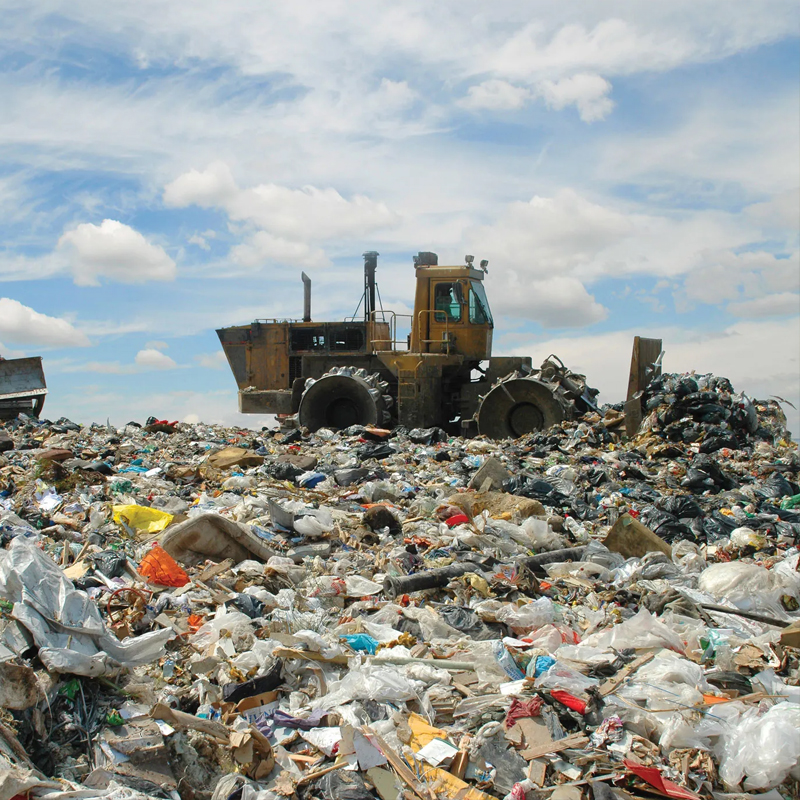
Nourishing the earth, feeding the world - that's our commitment as a fertilizer company. We believe that quality fertilizers are the backbone of agriculture, and we're proud to provide farmers with the best products for their crops. Our company is dedicated to sustainable farming practices that benefit both the environment and the economy. Healthy soil is the foundation of a successful harvest, and our fertilizers help ensure that farmers can grow nutritious food for our communities. At our company, we're passionate about supporting the growth and success of farmers everywhere.


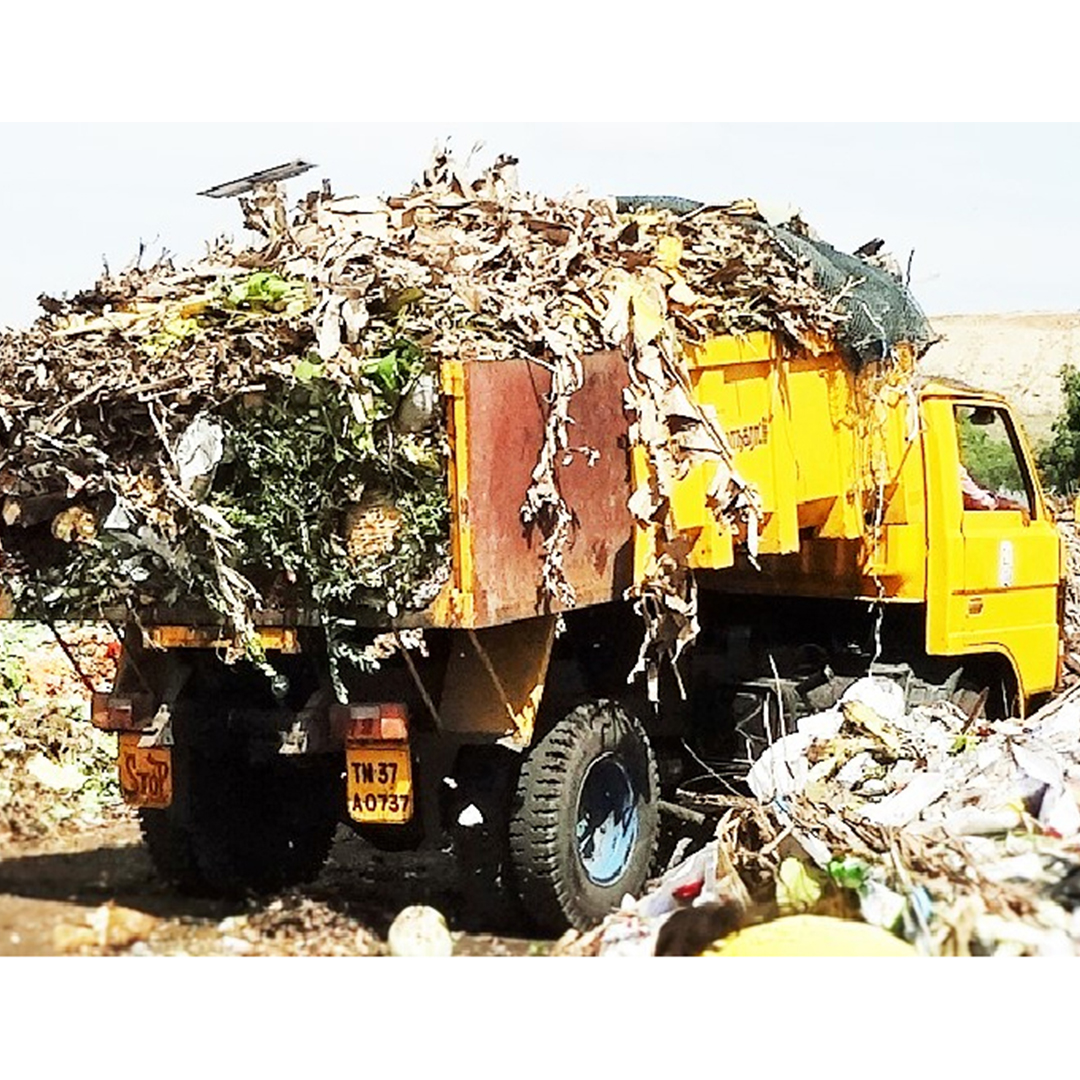
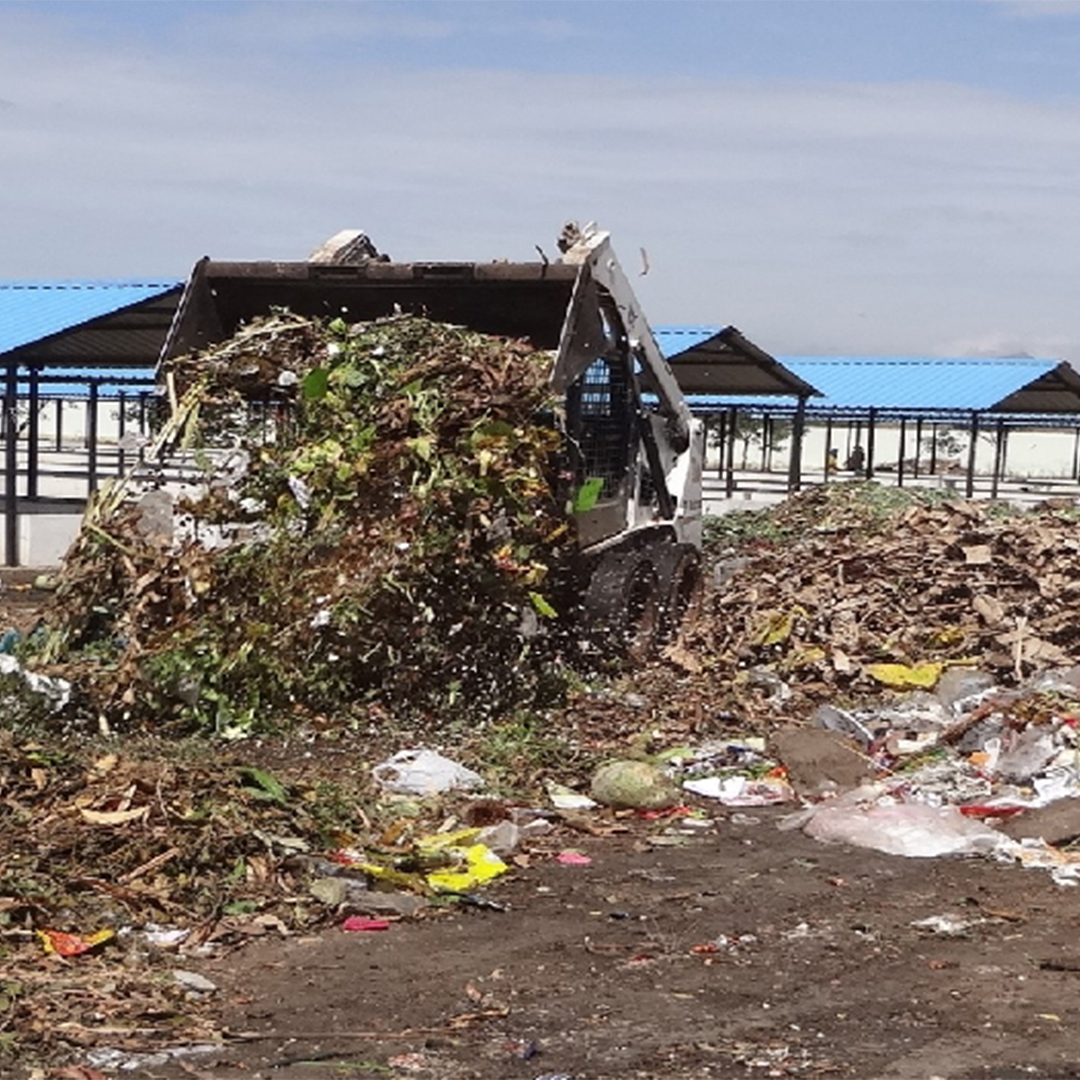
It is the process of handling organic waste such as food scraps and yard waste. This involves collecting, separating, and processing the waste through methods like composting or anaerobic digestion. Proper wet waste management helps reduce the negative impact of such waste on the environment and public health, while also producing organic matter that can be used as fertilizer or energy.
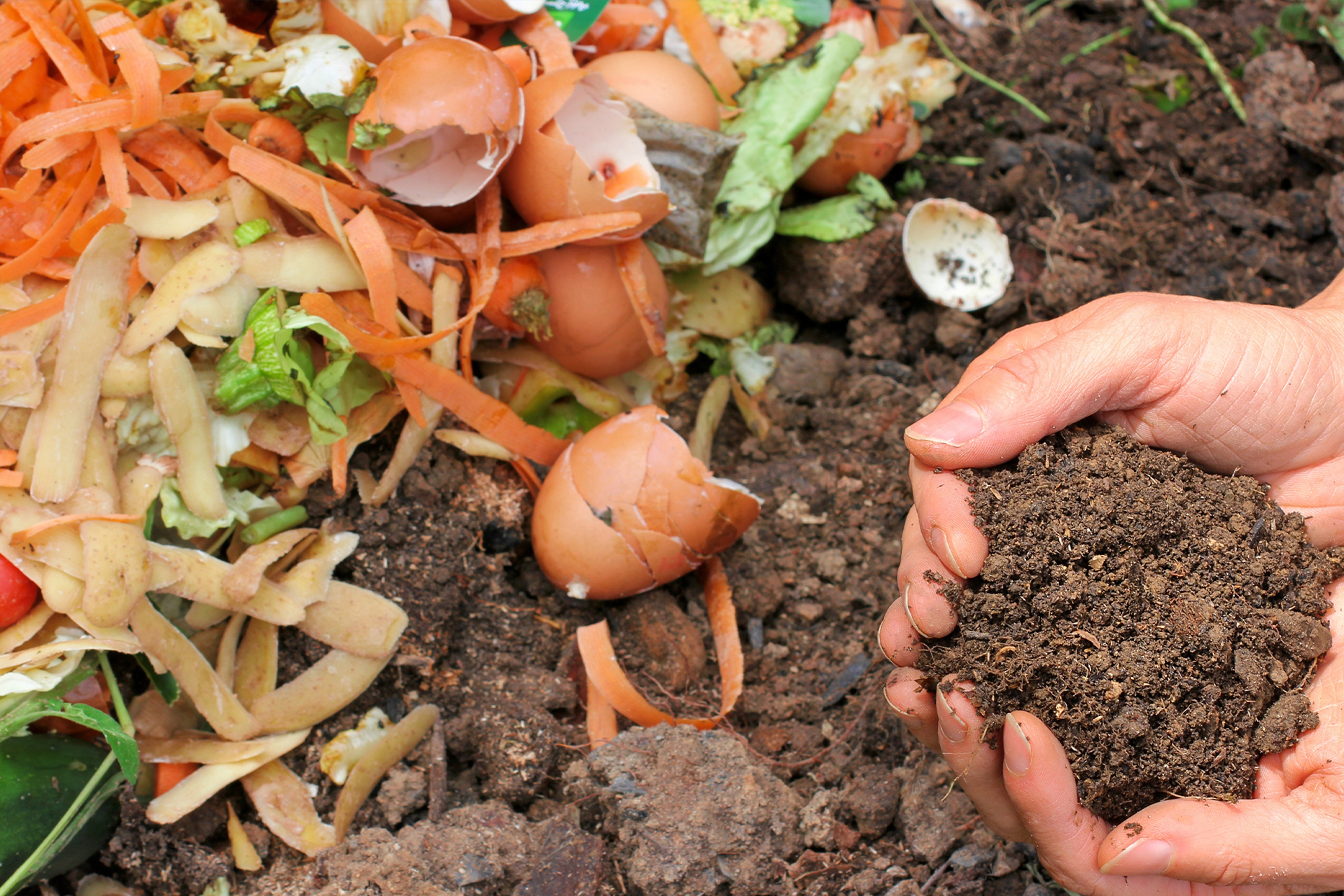
Home gardeners can use compost to improve the health of their soil and plants. By adding compost to garden beds or mixing it into potting soil, gardeners can increase soil fertility, improve soil structure, and retain moisture in the soil.
Farmers can use compost as a natural fertilizer to improve soil health and fertility. Compost can also help to control soil erosion, reduce nutrient runoff, and increase crop yields.
Landscapers can use compost in landscaping projects to improve soil quality and plant growth. By adding compost to soil or using it as a top dressing around plants, landscapers can improve soil structure, increase nutrient availability, and promote healthy plant growth.
Municipalities can use composting programs to divert organic waste from landfills, reducing greenhouse gas emissions and promoting sustainability. Compost produced from municipal programs can be used in public parks and gardens, as well as sold to farmers and landscapers.
Vermicompost is a natural and nutrient-rich soil amendment that can be added to garden soil or used in potting mixes. It helps to improve soil fertility, structure, and water-holding capacity, which can result in healthier plants and better yields.
Vermicompost is a natural fertilizer that contains essential plant nutrients such as nitrogen, phosphorus, and potassium. It can be used as a top dressing around plants or added to planting holes to provide a slow-release source of nutrients.
Vermicomposting can be used to treat organic waste that contains pollutants or contaminants, such as heavy metals or petroleum products. The worms in the vermicomposting system can break down and neutralize these pollutants, resulting in a safe and usable end-product.
Vermicomposting is a sustainable method of managing organic waste that would otherwise end up in landfills. It reduces the amount of waste that is sent to landfills and produces a useful end-product that can be used in gardening, agriculture, and landscaping.
Biogas can be used as a fuel to generate electricity. It can be burned in a generator to produce electricity that can be used to power homes, businesses, and even entire communities.
Biogas can be used as a fuel to generate heat. It can be burned in boilers or furnaces to produce heat that can be used for space heating, water heating, and other heating applications.
Biogas can be used as a cooking fuel for households and communities that lack access to clean cooking fuels. It can be used in stoves or burners to cook food and heat water.
Biogas can be used as a transportation fuel for vehicles that are powered by natural gas or biogas. It can be compressed and stored in tanks on vehicles and used as a fuel for buses, trucks, and other vehicles. Biogas-powered vehicles produce fewer emissions than vehicles that are powered by fossil fuels.

Feel Free to Contact Us
16/1, Nethaji Nagar, Kanniyappa Konar Street,
Chettipalayam, Road, Coimbatore, 641023