Reiki Energy Healing
1. Understanding the Principles of Reiki
Reiki is founded on five principles that guide its practice: "Just for today, I will not be angry. Just for today, I will not worry. Just for today, I will be grateful
Just for today, I will do my work honestly.
Just for today, I will be kind to every living thing.
" These principles serve as a framework for personal growth, mindfulness, and cultivating positive energy.
Worrying about the future or dwelling on the past can cause stress and anxiety. This principle invites us to embrace the present moment and trust that everything will unfold as it should. By practicing mindfulness and focusing on the present, we can alleviate unnecessary worry and find peace in the here and now.
Gratitude is a powerful practice that shifts our perspective and opens our hearts to the abundance and blessings in our lives. This principle encourages us to cultivate a mindset of gratitude, appreciating the simple joys, and expressing gratitude for the experiences, people, and opportunities that enrich our journey.


2. Balancing the Energy Centers
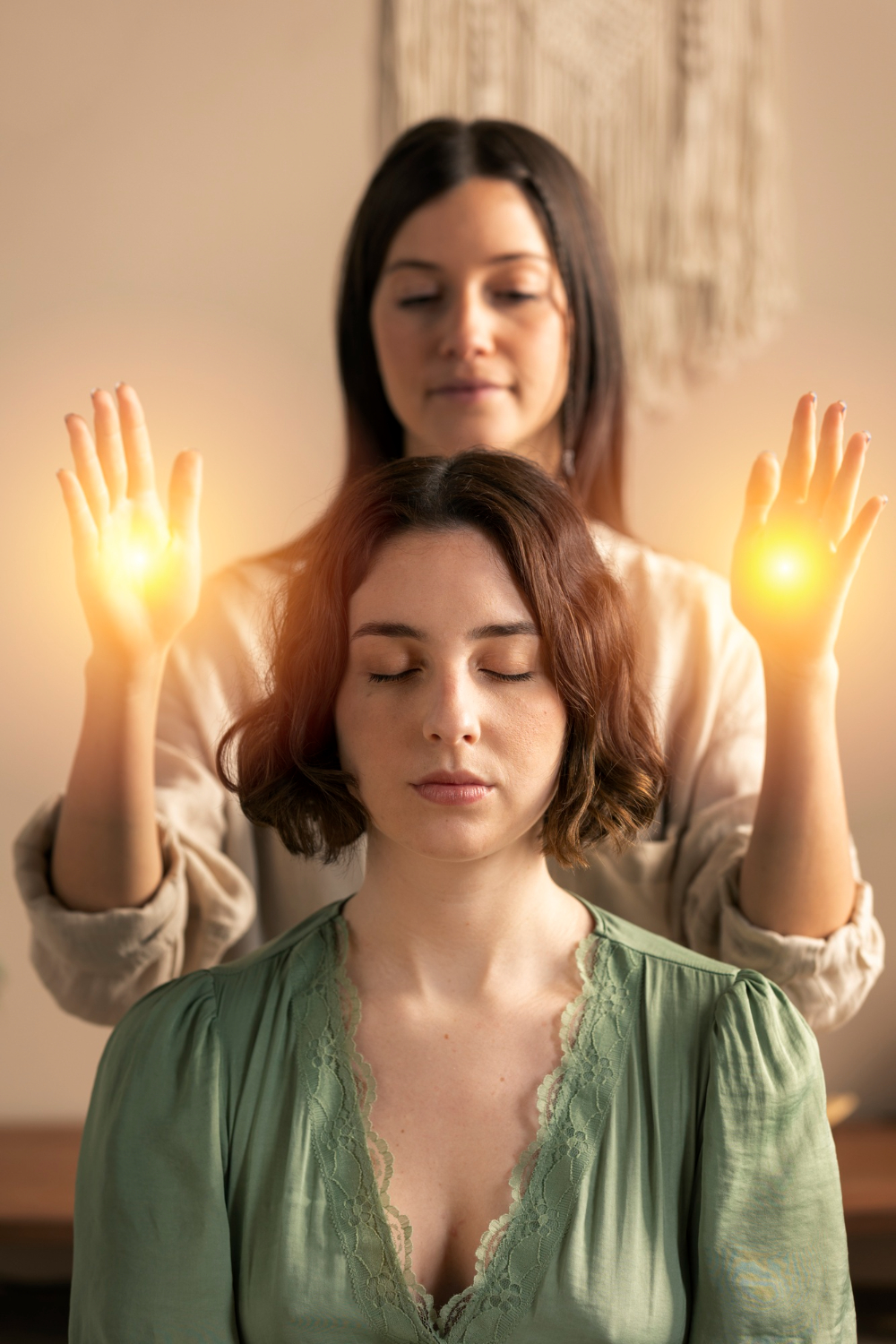
Reiki healing focuses on balancing the energy centers within the body, known as chakras. Chakras are believed to be spinning wheels of energy that correspond to different physical, emotional, and spiritual aspects of our being
Through gentle hand placements or a slight touch, Reiki practitioners direct the healing energy to the chakras, helping to remove energy blockages and restore their natural flow.
Imbalances in the chakras can occur due to various factors, such as stress, trauma, negative emotions, unhealthy lifestyle choices, or energetic blockages.
Developing self-awareness and cultivating intuition are essential for balancing the energy centers. By tuning into our bodies, emotions, and energy, we can gain insight into the state of our chakras.
Balancing the energy centers is not only about addressing physical or emotional symptoms but also about nurturing holistic well-being.
3. Promoting Relaxation and Stress Reduction
One of the primary benefits of Reiki is its ability to induce deep relaxation and reduce stress. During a Reiki session, clients often experience a sense of calmness, peace, and well-being.
The healing energy helps to release tension, soothe the nervous system, and alleviate physical and emotional stress, allowing the body's natural healing abilities to activate.
It triggers the body's stress response, releasing hormones that prepare us for a "fight-or-flight" response.
However, prolonged or excessive stress can take a toll on our health and well-being, leading to physical symptoms, anxiety, mood disturbances, and decreased overall quality of life.
By intentionally engaging in relaxation practices, we can counteract the negative effects of stress, promote physical and mental well-being, and cultivate a sense of inner calm.
Chronic stress can negatively impact our physical, emotional, and mental health.


4. Supporting Physical and Emotional Healing
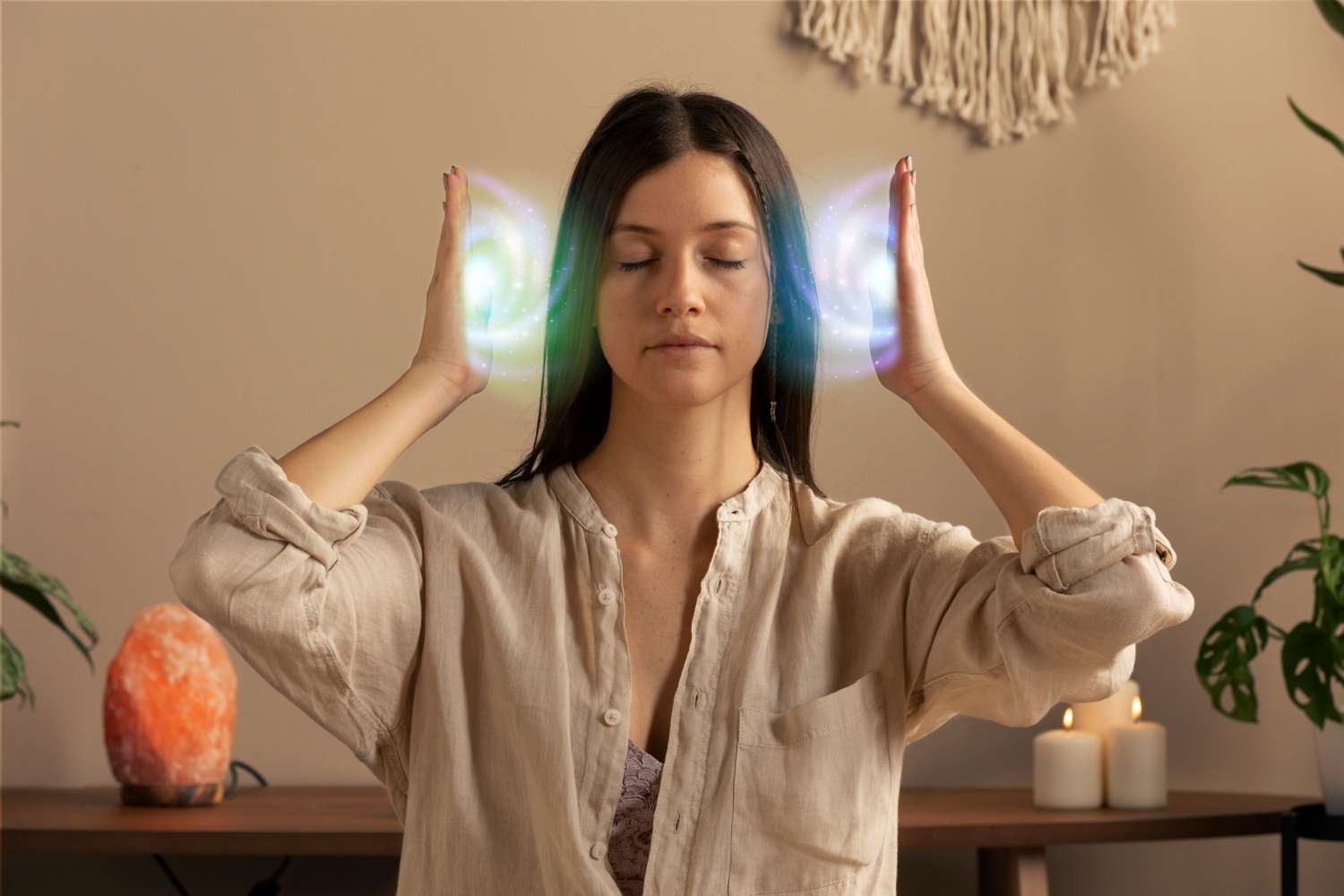
Reiki energy healing can complement traditional medical treatments by supporting the body's natural healing processes.
It is believed to stimulate the immune system, enhance circulation, and promote the release of toxins from the body.
Reiki can also provide emotional healing by helping individuals release emotional blockages, find inner balance, and foster a sense of emotional well-being
The body and mind are intricately connected, influencing and impacting each other. Physical ailments or imbalances can affect our emotional well-being, while emotional distress can manifest as physical symptoms.
Integrative approaches combine conventional and complementary therapies to support physical and emotional healing.
Practices such as Reiki, acupuncture, or healing touch work with the body's energy system, supporting physical healing and promoting emotional balance.